Where Everybody Knows Your Name: The Quiet Power of a Close-Knit School Community

There is a particular quality to the atmosphere at Marton Primary School that visitors often notice within moments of arriving. It is not easily measured by Ofsted frameworks or captured in a data table, yet it is unmistakably present: a sense that every child here is genuinely known. Known by name, by character, by their particular strengths and the challenges they are quietly working through. In an era when education policy frequently gravitates towards scale and standardisation, Marton's smaller community offers something increasingly rare — and increasingly valuable.
The Classroom as a Community
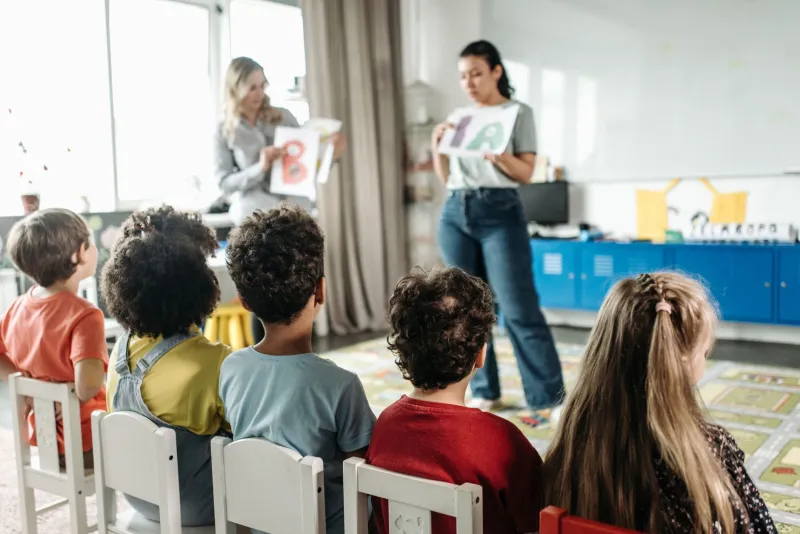
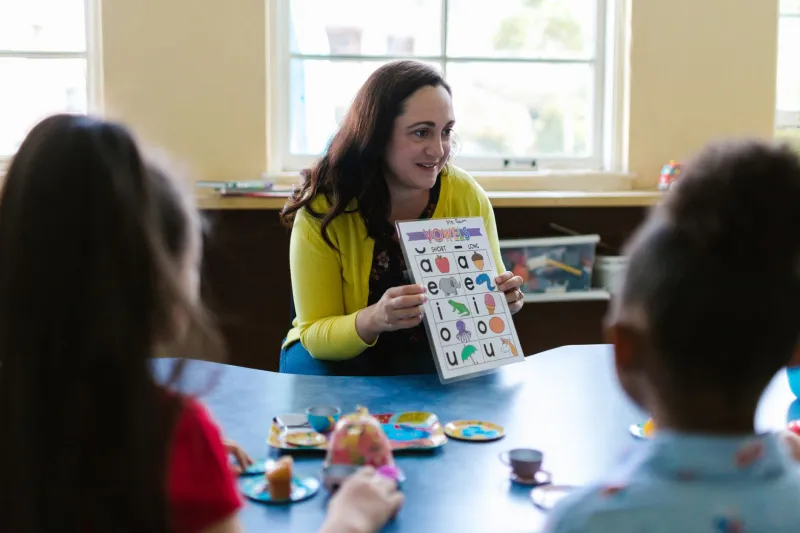
Class size has long been a topic of debate in educational research, but the lived experience at Marton Primary brings the statistics to life in meaningful ways. When a teacher works with a smaller group of pupils, the relationship that develops is qualitatively different from what is possible in a larger setting. Teachers are able to track not only academic progress but also shifts in mood, confidence, and motivation — the subtle signals that, when caught early, can make a significant difference to a child's trajectory.
At Marton, staff describe their ability to adapt lessons in real time as one of the most rewarding aspects of their professional lives. Rather than delivering a uniform approach to thirty or more children and hoping the majority follow along, our teachers can observe, adjust, and respond. A pupil who grasps a concept quickly can be extended with greater challenge; one who needs a different explanation receives it without disruption to the wider group. This responsiveness is not a luxury here — it is simply how teaching works.
Parents frequently comment on the difference this makes at home. When children feel seen and supported in the classroom, they arrive home more settled, more willing to talk about their school day, and more resilient in the face of difficulty. The confidence that comes from being genuinely understood by one's teacher is not a soft outcome — it underpins attainment across every subject.
Staff Who Know the Whole Child
One of the distinctive features of a smaller school is the extent to which knowledge of individual children permeates the entire staff body. At Marton Primary, it is not unusual for a child to be known well by teachers outside their own year group — the teaching assistant who worked with them in Year 2, the class teacher they will move to in September, the member of support staff who notices when something seems off at the start of the day.
This interconnected awareness creates a form of pastoral care that is difficult to replicate in larger institutions, where children can become, through no fault of anyone, somewhat anonymous. At Marton, there are very few gaps through which a child might quietly slip. Concerns are shared promptly, celebrated moments are recognised widely, and the continuity of relationship from one year to the next means that transitions — often a source of anxiety for younger pupils — feel far less daunting.
Our SENCO and pastoral leads work within a staff culture where information flows naturally and early intervention is the norm rather than the exception. The result is a school in which children with additional needs, those experiencing difficulty at home, and those who simply need a little more time to find their feet are all met with a response that is timely, informed, and genuinely caring.
Families as Partners, Not Spectators
The relationship between school and home at Marton Primary is one of the most frequently cited strengths by families who have chosen us. In a smaller school, parents and carers are not a distant constituency to be communicated with via newsletter alone — they are active participants in the life of the school, known to staff by name and welcomed as genuine partners in their child's education.
This familiarity breeds the kind of trust that makes honest conversation possible. When a parent has a concern, they know who to speak to and feel confident that they will be heard. When a teacher notices something that might be better understood with a parent's context, that conversation happens naturally rather than through formal channels that can feel intimidating. The result is a flow of information between home and school that benefits children directly.
Community events, curriculum evenings, and informal contact at the school gate all contribute to a shared sense of investment in what Marton Primary is building. Parents who feel genuinely connected to a school are more likely to reinforce its values at home, to engage with reading and homework in meaningful ways, and to raise children who see school as a place that belongs to them.
Opportunity at Every Level
Smaller schools sometimes attract a misconception — that they offer fewer opportunities than their larger counterparts. At Marton Primary, the opposite is demonstrably true. When a school community is smaller, children are not competing with large cohorts for roles in the school play, places on the sports team, or leadership responsibilities such as the school council. Every child who wishes to lead, perform, represent, or contribute is able to do so.
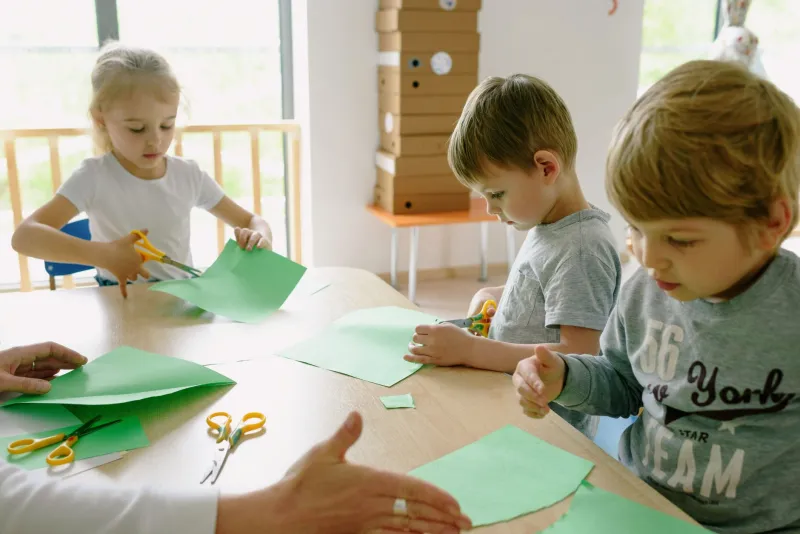
This breadth of participation matters enormously for development. A child who might remain quietly in the background at a larger school finds, at Marton, that their moment comes — and comes more than once. The shy reader who discovers a talent for public speaking during a class assembly. The child who lacks confidence in mathematics but finds it through a team problem-solving challenge. These moments of discovery require space, time, and an environment in which it is safe to try. Marton's community provides all three.
Staff here are also able to pursue enrichment with a degree of coherence that is harder to achieve in larger settings. Trips, visiting speakers, cross-curricular projects, and partnerships with local organisations can be planned with the knowledge of the whole school community in mind, ensuring that the benefits are genuinely shared and built upon year after year.
The Longer View
What Marton Primary offers is not simply a pleasant school experience — though it is certainly that. It is an environment in which the conditions for genuine flourishing are carefully and consistently maintained. The relationships formed here between children, between children and staff, and between families and the school, do not evaporate at the end of Year 6. They form the foundation of confident, capable young people who carry with them the knowledge of what it feels like to be truly known and valued.
In a world that often prizes scale, Marton Primary stands as a considered and compelling argument for something different: that the most powerful educational environment may well be one in which every face is familiar, every voice is heard, and every child has the space to become fully themselves.