Pixels and Puddles: How Marton Primary Balances Digital Tools With the Irreplaceable Value of Outdoor Learning
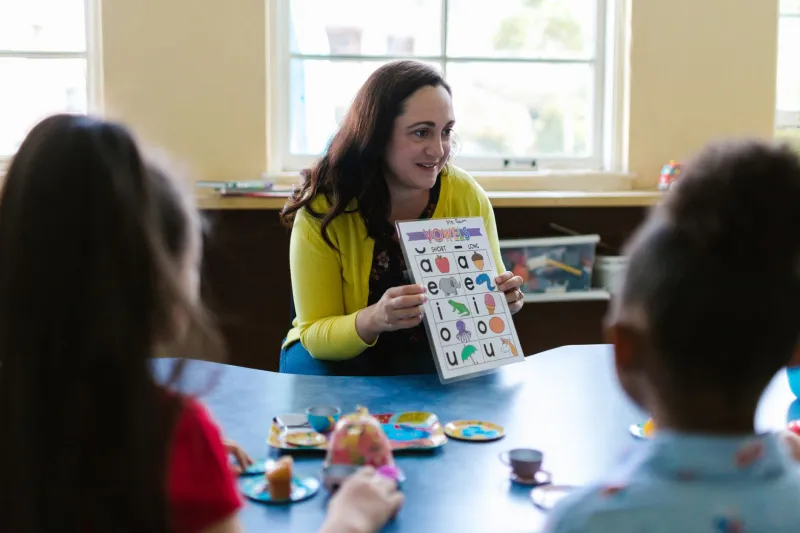
On any given morning at Marton Primary, you might find a group of Year 4 pupils huddled around a tablet, collaborating on a digital map of their local area — and then, an hour later, discover that very same group outside, measuring rainfall in hand-crafted gauges and debating whose estimate was closest. This is not accidental. It is the result of a considered, principled approach to how technology and the natural world can complement rather than compete with one another in a child's education.
The question of how much screen time is appropriate for primary-age children is one that parents across the United Kingdom grapple with daily. At Marton Primary, we do not shy away from this conversation. Instead, we engage with it honestly — drawing on current research, listening to families, and continually refining how we use digital tools in ways that genuinely serve our pupils' development.
What the Research Tells Us
The evidence surrounding screen exposure in childhood is nuanced. Studies published by organisations including the Royal College of Paediatrics and Child Health have moved away from rigid time limits, focusing instead on the quality and context of screen use. Passive consumption — scrolling, watching without purpose — carries different implications than interactive, curriculum-linked digital activity where children are creating, problem-solving, or communicating.
Equally compelling is the growing body of research into the benefits of outdoor play. Time spent in natural environments has been linked to improved concentration, reduced anxiety, stronger immune function, and greater creativity. Professor Daisy Fancourt's work at University College London, among others, highlights how unstructured play outdoors supports the kind of cognitive flexibility that structured lessons alone cannot always foster.
For primary schools, the challenge lies in honouring both realities: digital literacy is a genuine and necessary skill, and outdoor, physical experience is not a luxury but a developmental need.
How Marton Primary Approaches the Balance
At Marton Primary, our curriculum planning begins with a simple question: What is the best tool for this particular learning moment? Sometimes that is a laptop or an interactive whiteboard. Often, it is a pair of wellington boots and an open field.
We have structured our school day to ensure that technology serves specific pedagogical purposes rather than becoming a default. Digital devices are introduced in contexts where they genuinely extend what children can do — researching topics in depth, practising mathematical reasoning through adaptive programmes, or producing multimedia projects that develop communication skills. They are not used as a means of managing behaviour or filling time.
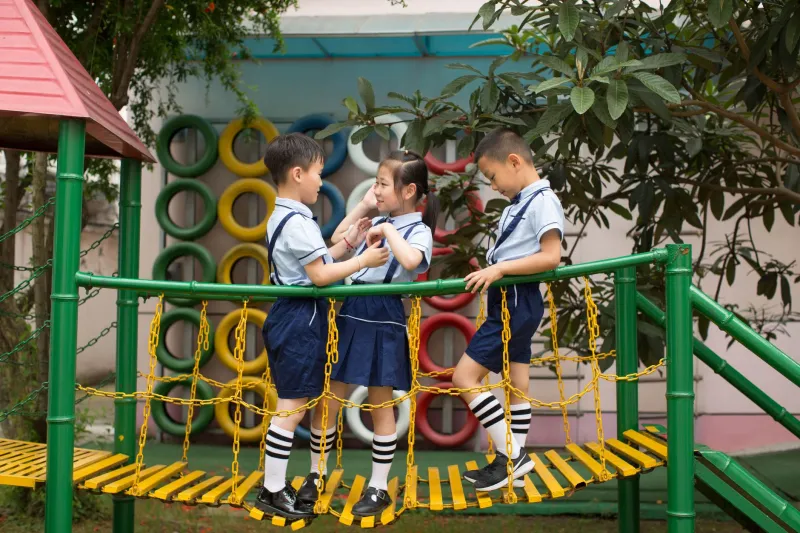
Meanwhile, our commitment to outdoor learning runs throughout every year group. From the Reception children who explore our school garden and develop early scientific vocabulary by observing insects and seasonal change, to the Year 6 pupils who undertake geography fieldwork in the surrounding countryside, time outside is timetabled, purposeful, and protected. Break times remain genuinely free — spaces for children to run, invent games, negotiate with peers, and simply be children without instruction or screens.
Practical Guidance for Families at Home
We are well aware that the school day represents only a portion of a child's waking hours, and that many families feel uncertain about how to manage technology at home. The following approaches reflect what the evidence supports and what we encourage in our conversations with parents:
Create screen-free windows. Rather than attempting to eliminate screens entirely — which can increase their perceived allure — consider designating certain times as naturally screen-free: mealtimes, the hour before bed, and the first thirty minutes after school. These windows allow children to decompress, converse, and transition between activities.
Prioritise active outdoor time before screens. Where possible, encourage children to spend time outside before engaging with devices in the evening. Even a twenty-minute walk or garden play session can reset concentration levels and mood, making subsequent screen use calmer and more purposeful.
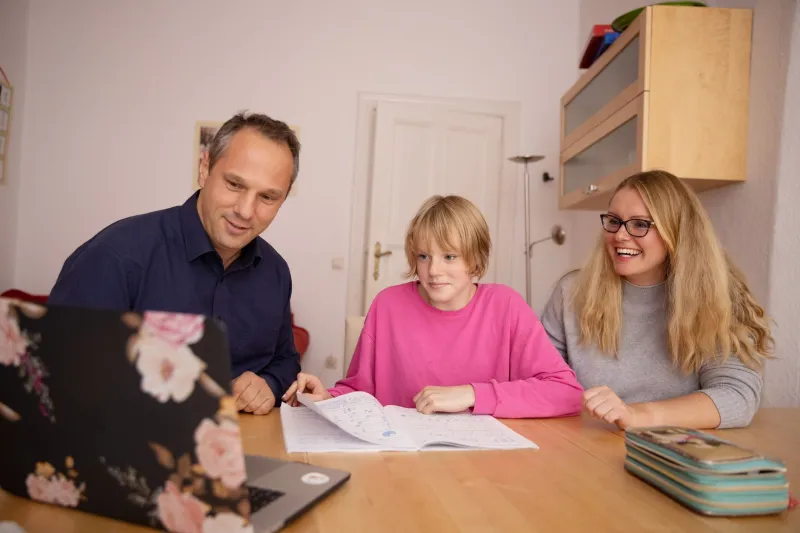
Watch and discuss together. When your child does use a device, occasional co-viewing or co-playing transforms passive consumption into a shared experience. Asking questions — What do you think happens next? Why did that character make that choice? — builds critical thinking alongside the digital activity itself.
Connect digital learning to the physical world. If your child has been exploring a topic online, look for ways to extend it beyond the screen. A project on habitats might lead to a visit to a local nature reserve; an interest in weather patterns might inspire a homemade weather station in the back garden. These bridges reinforce that the digital world and the real world are not separate but deeply connected.
The Wider Conversation We Are Having as a School
Marton Primary is committed to transparency with our parent community about how and why we use technology. We do not adopt digital tools because they are new or because they appear impressive — we adopt them when they demonstrably support children's learning in ways that other approaches cannot. Equally, we are candid about their limitations.
We have also been attentive to equity. Not every family has consistent access to devices or reliable broadband at home, and our approach to homework and home learning is designed with this in mind. We do not assume that technology is universally available, and we ensure that every child can participate fully in their education regardless of what is accessible beyond the school gates.
Our staff undertake regular professional development to ensure they are using digital resources effectively and critically — evaluating new platforms carefully before introducing them to pupils, and always asking whether a given tool serves the child or merely the convenience of the lesson.
A Philosophy Rooted in Childhood
At its heart, Marton Primary's approach to this question is grounded in a belief that childhood itself deserves protection. The formative years a child spends in primary school are not merely preparation for the digital economy of the future — they are a distinct and precious phase of life with its own intrinsic value.
Mud on a school jumper after a particularly enthusiastic science investigation outside tells us something important: that a child has been fully present, fully engaged, and fully alive to the world around them. That is not something any screen can replicate. Our role is to ensure that the technology we introduce enhances that aliveness rather than diminishing it — and that every child who leaves Marton Primary carries with them both the digital confidence to navigate the modern world and the deep, embodied knowledge that comes from having truly played in it.
If you have questions about how we manage technology in your child's year group, or if you would like further guidance on supporting healthy digital habits at home, please do not hesitate to speak with your child's class teacher or contact the school office. We welcome these conversations as part of our ongoing partnership with families.